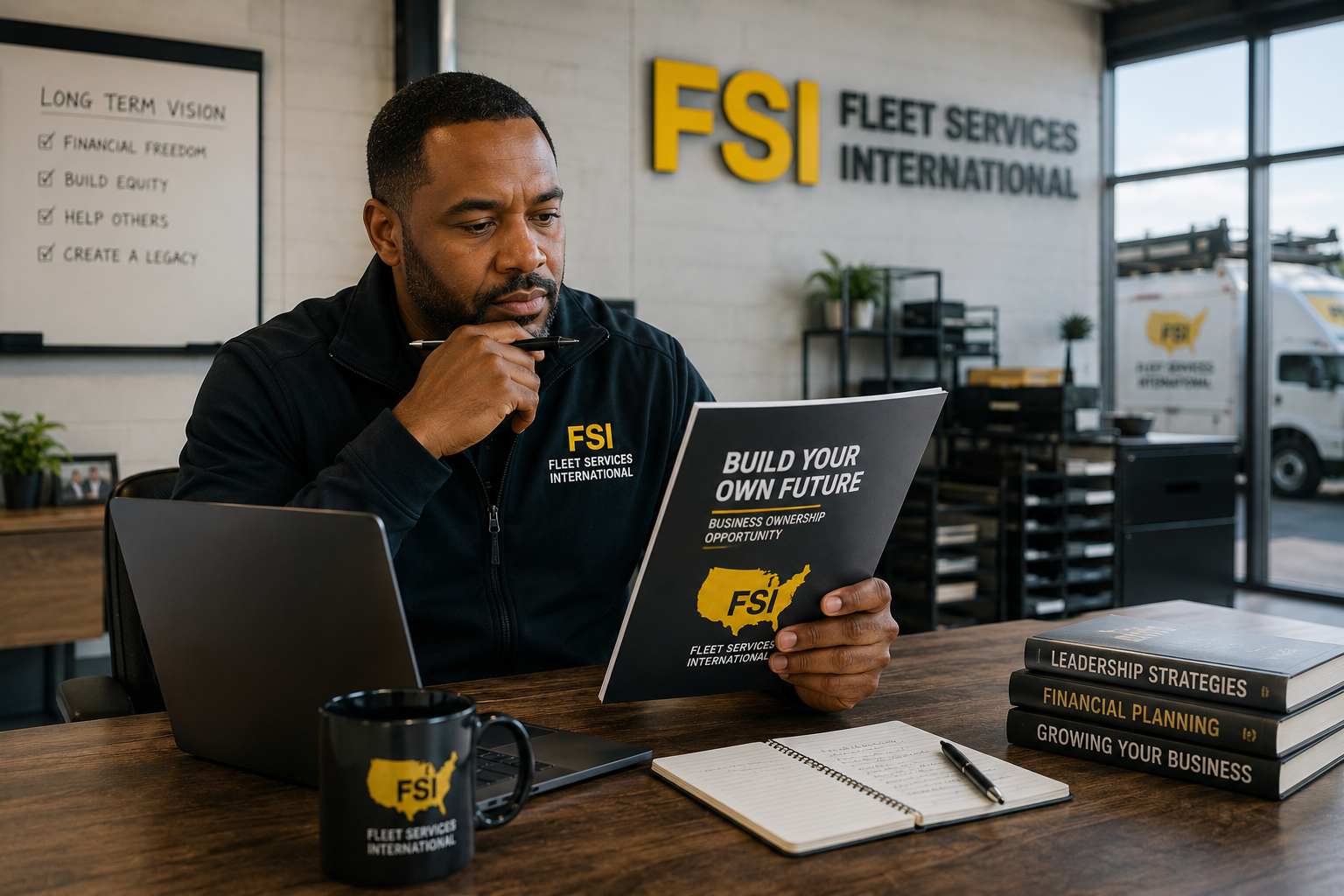
Explore why experienced professionals should evaluate business ownership as a long-term investment in leadership, growth, and building lasting value.

Discover why essential commercial services and dependable demand can provide a strong foundation for entrepreneurs seeking long-term business ownership.

Learn how building momentum through strong systems, operational discipline, and consistent execution creates a scalable business positioned for long-term growth.

Discover why earning customer trust through consistent service and dependable execution creates stronger relationships, repeat business, and long-term growth.

Discover why the best businesses become easier to grow through strong systems, operational structure, and scalable processes—not added complexity.

Learn why consistent execution—not occasional breakthroughs—is the foundation of scalable business ownership and long-term success.
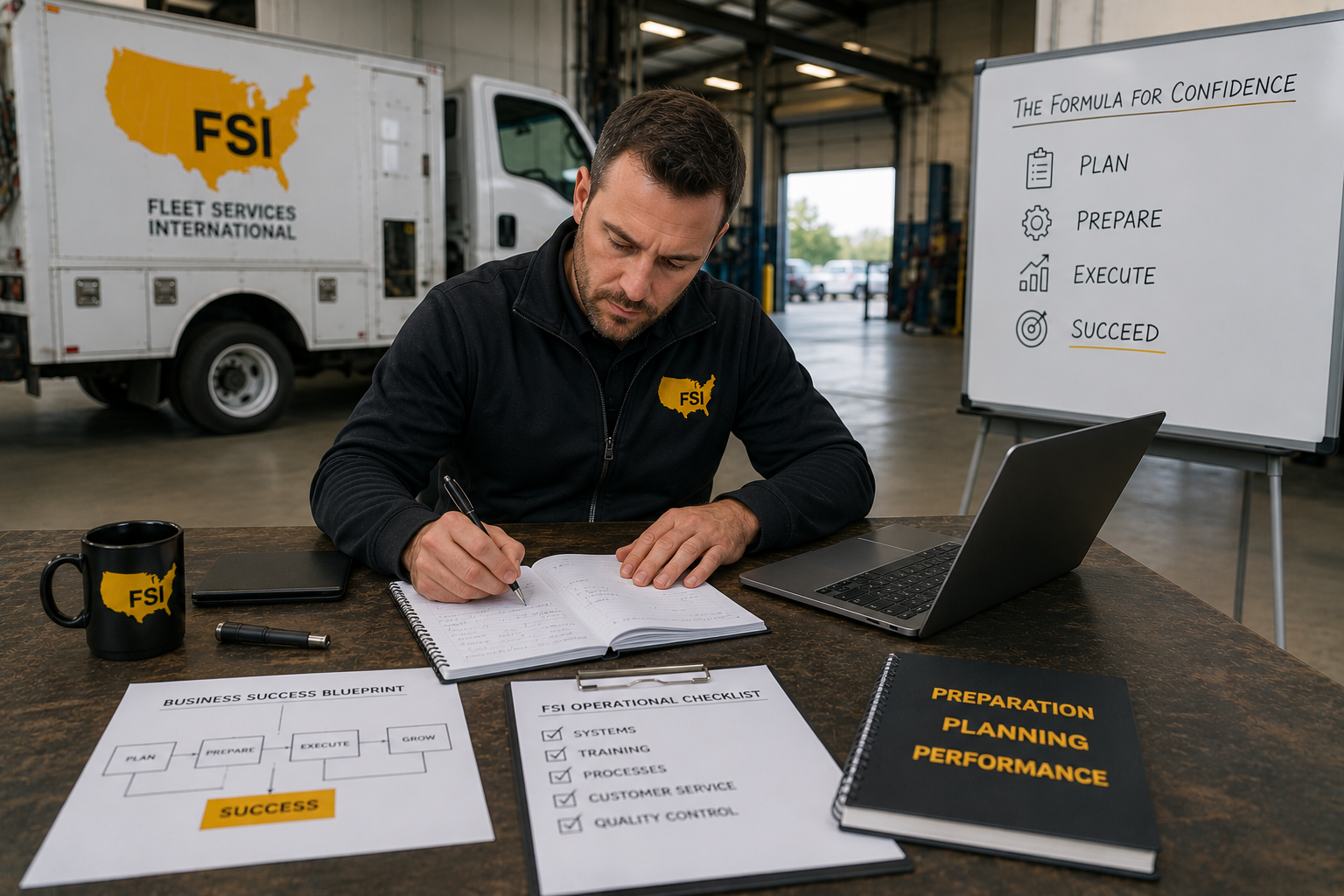
Discover why preparation, proven systems, and smart planning create confident business owners and stronger long-term business decisions.

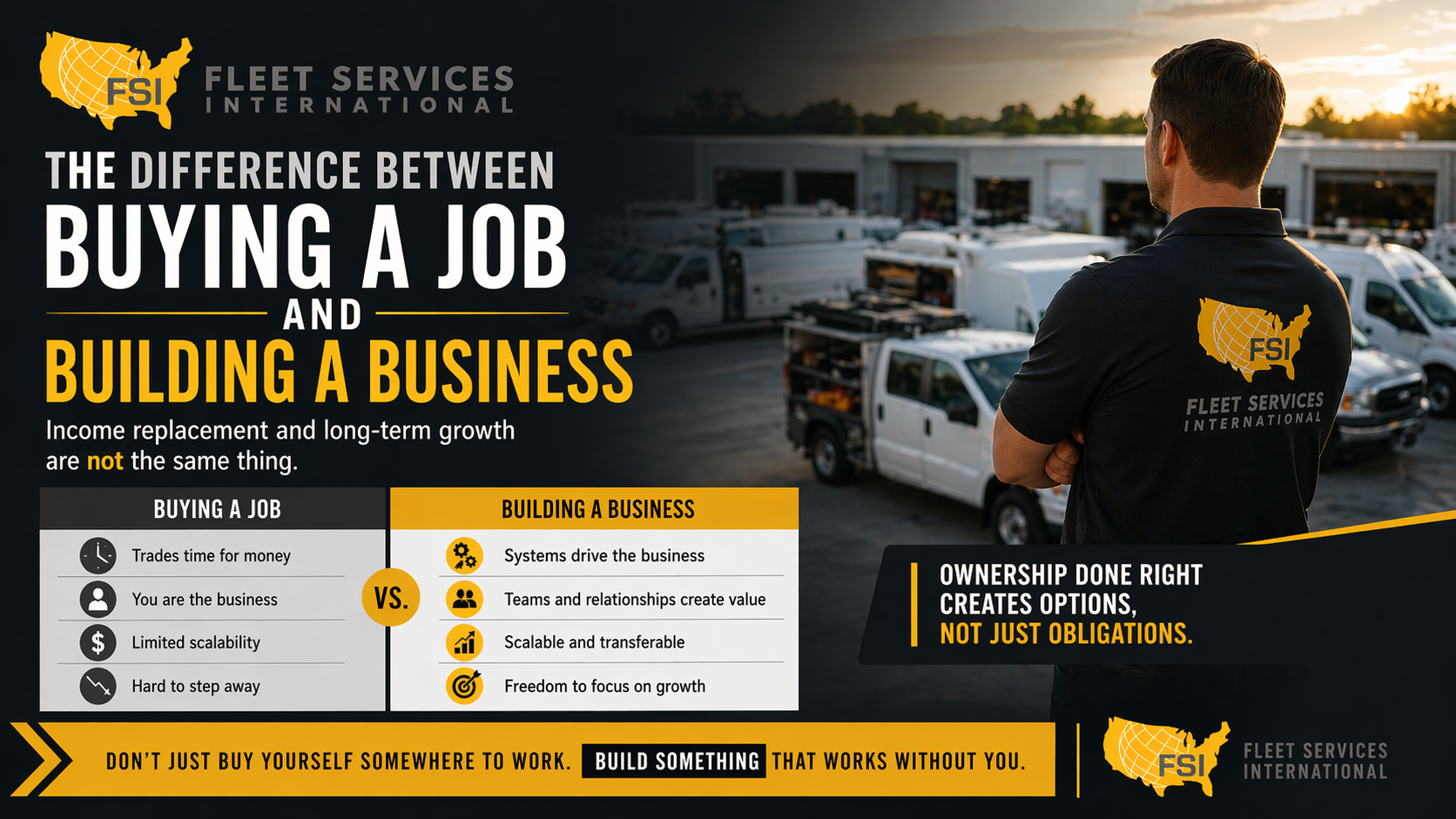
Learn why building a valuable business asset—not just replacing your income—is the key to long-term wealth, scalability, and lasting success.
Learn why businesses built around essential services and operational necessity often outperform trend-driven opportunities over the long term.

Discover why leadership skills matter more than technical experience when building a scalable business and leading a successful team.