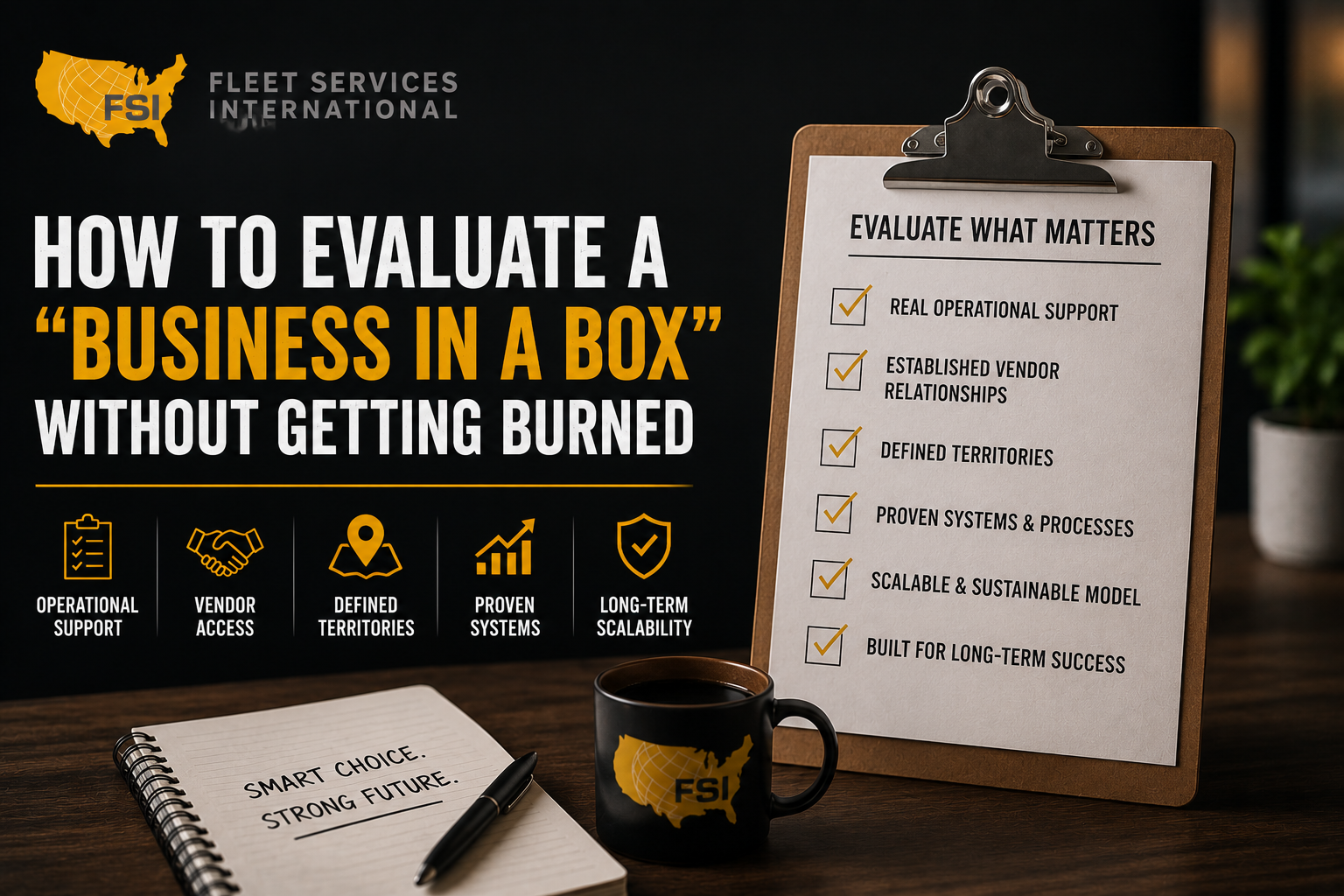

How to Evaluate a “Business in a Box” Without Getting Burned

Courtnee Boyd • May 15, 2026

Share this article

Not all structured opportunities are built the same

Structured business opportunities are everywhere.


Some promise simplicity. Others promise passive income. Many claim you can step into a fully functioning operation with little experience and start generating revenue quickly.


That’s what makes evaluating them difficult.


Because the term “business in a box” can mean almost anything.


Some opportunities provide real infrastructure, operational support, and long-term scalability. Others are little more than expensive entry points with minimal support behind them.


The difference usually becomes obvious only after the business has already started.


This is why experienced buyers evaluate structure carefully—not emotionally.


They don’t focus on hype, branding, or promises of easy income.


They look at fundamentals.


Questions like:


  • Is there real operational support?
  • Is the business dependent entirely on the owner?
  • Are vendor relationships already established?
  • Does the model create recurring demand or constant customer chasing?
  • Is there actual infrastructure behind the opportunity?


Those answers matter more than marketing ever will.


A strong business model reduces unnecessary friction.


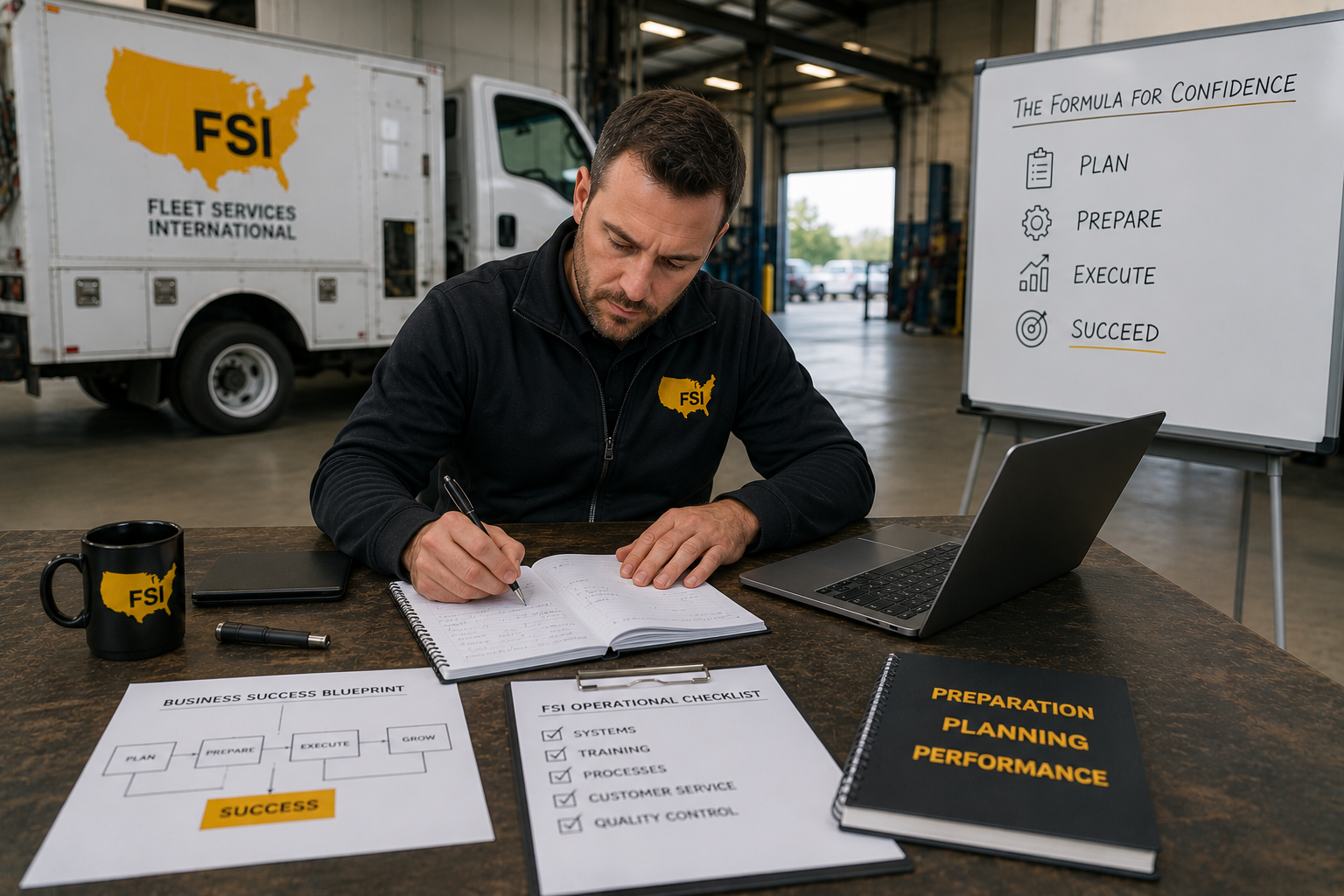
It creates operational consistency, shortens the learning curve, and allows owners to focus on execution rather than constantly rebuilding systems from scratch.


A weak model does the opposite.


It leaves owners solving preventable problems while trying to grow at the same time.


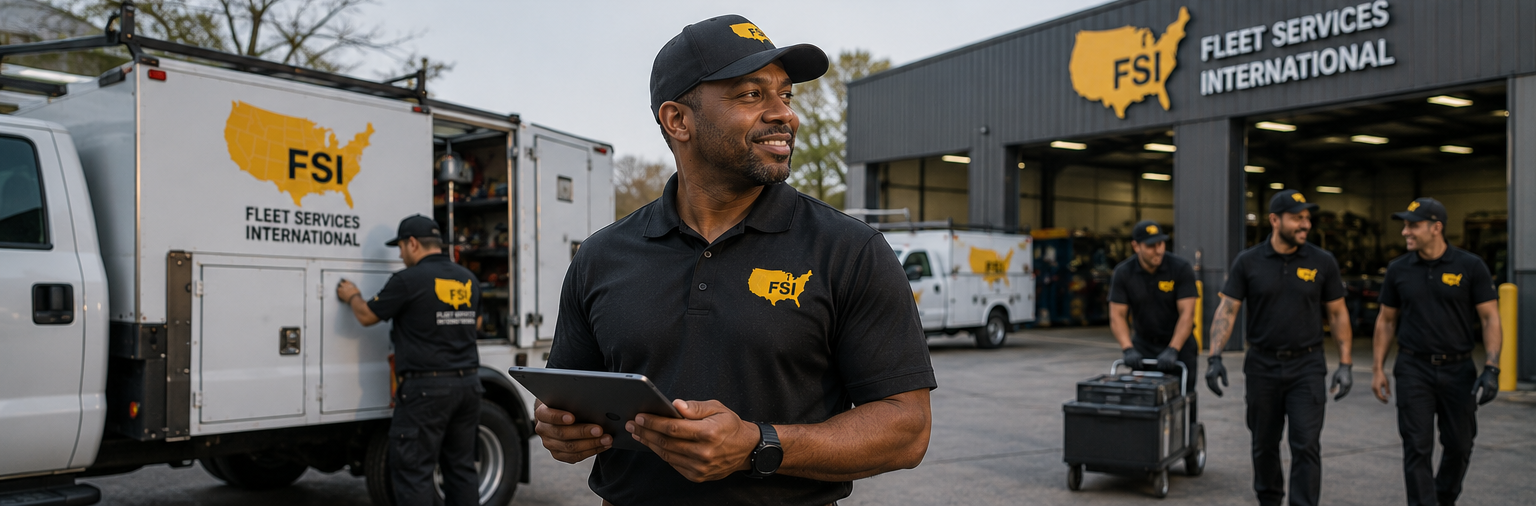
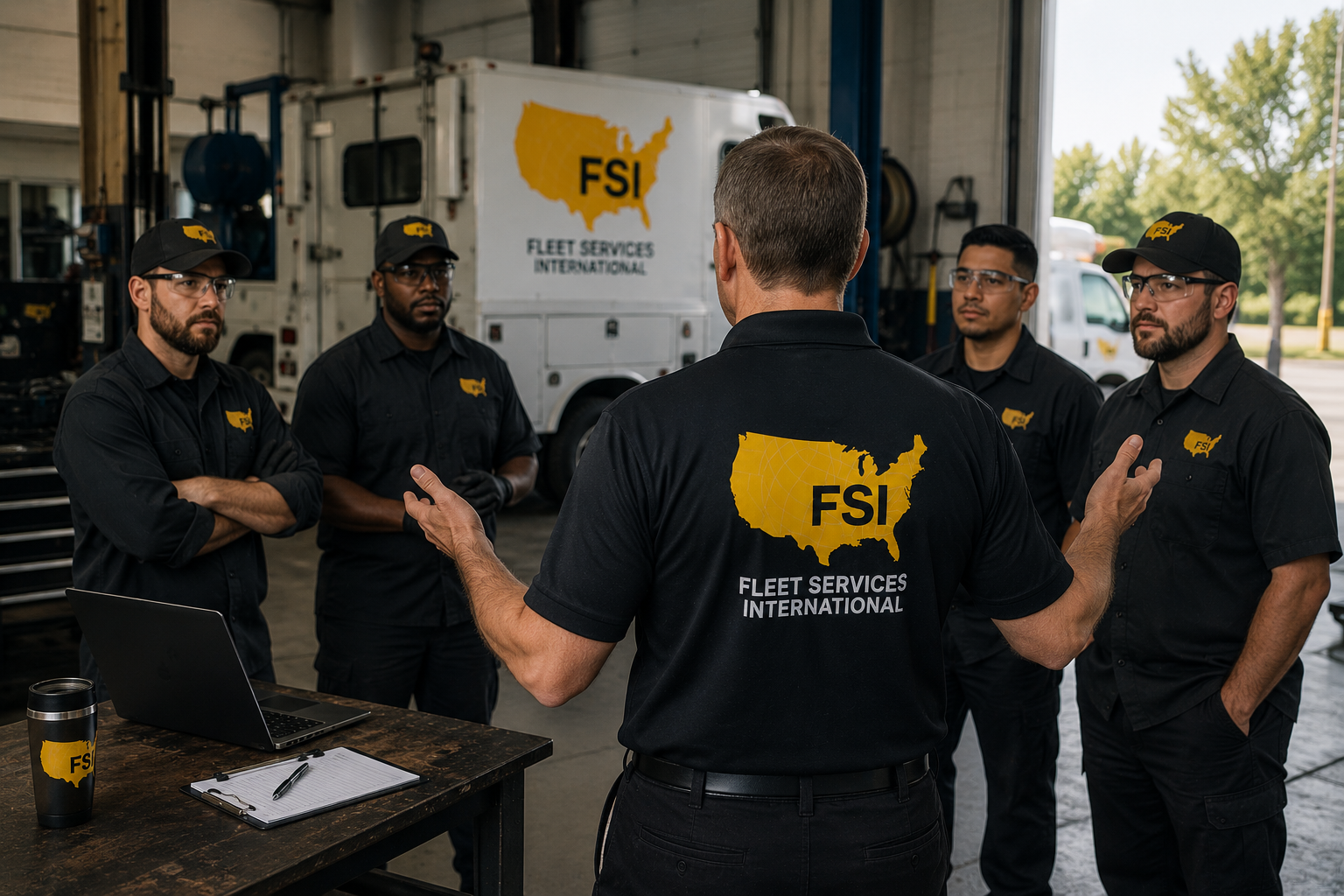
This is one of the reasons opportunities like FSI are structured the way they are.


The emphasis isn’t on selling an idea. It’s on providing a framework designed around operational support, defined territories, vendor access, and long-term scalability.


That doesn’t mean success becomes automatic.


But it creates a significantly stronger starting position than entering a business without infrastructure behind it.


This type of opportunity is best suited for individuals who evaluate business ownership strategically—people who understand the value of systems, operational structure, and long-term positioning.


It is not for anyone looking for shortcuts, overnight income, or completely hands-off ownership. And it’s not for people who mistake branding for substance.


The best opportunities aren’t the ones that sound the easiest.


They’re the ones built to hold up over time.

Recent Posts

By Courtnee Boyd May 22, 2026
Why hard work alone rarely creates scalable ownership
By Courtnee Boyd May 22, 2026
The businesses that last are usually solving necessary problems—not chasing trends
May 15, 2026
Why freedom without structure usually turns into pressure instead
By Courtnee Boyd May 8, 2026
The businesses that scale fastest usually aren’t starting from zero
By Courtnee Boyd May 8, 2026
Why building everything yourself sounds appealing—until the reality sets in
By Courtnee Boyd April 28, 2026
The decision mistake that creates problems before the business even starts
By Courtnee Boyd April 28, 2026
Why stability isn’t about luck—it’s about structure
By Courtnee Boyd April 28, 2026
Why the real decision isn’t brand vs freedom—it’s structure vs uncertainty
By Courtnee Boyd April 28, 2026
The market most buyers ignore—and why serious operators are paying attention
By Courtnee Boyd April 28, 2026
Why income replacement and long-term growth are not the same thing
Show More