
Retail Is Broken: Why Smart Operators Are Moving to B2B Service Models

Courtnee Boyd • April 28, 2026

Share this article

Consumer-facing businesses are getting harder to sustain—and serious owners are taking notice

Retail has a visibility advantage—but it comes at a cost most people underestimate.


From the outside, consumer-facing businesses look appealing. There’s foot traffic, brand presence, and a sense of constant activity. It feels like momentum.


But behind that visibility is a different reality—one defined by unpredictability.


Retail businesses are tied to variables that owners can’t fully control: shifting consumer behavior, rising customer acquisition costs, online competition, and economic sensitivity. Revenue often depends on daily performance, not long-term contracts or embedded demand.


That creates pressure.


When customer flow slows down, everything slows down. When costs increase, margins tighten quickly. And maintaining consistent revenue requires ongoing effort just to stay in place.


This is why more experienced operators are rethinking the model entirely.


Instead of asking how to improve a retail business, they’re asking whether they should be in retail at all.


The shift is toward B2B service models—businesses that serve other businesses rather than consumers.


The difference is structural.


B2B services are typically built around ongoing relationships rather than one-time transactions. Demand is tied to operational necessity rather than discretionary spending. And revenue tends to be more predictable because it’s based on recurring needs, not daily traffic.


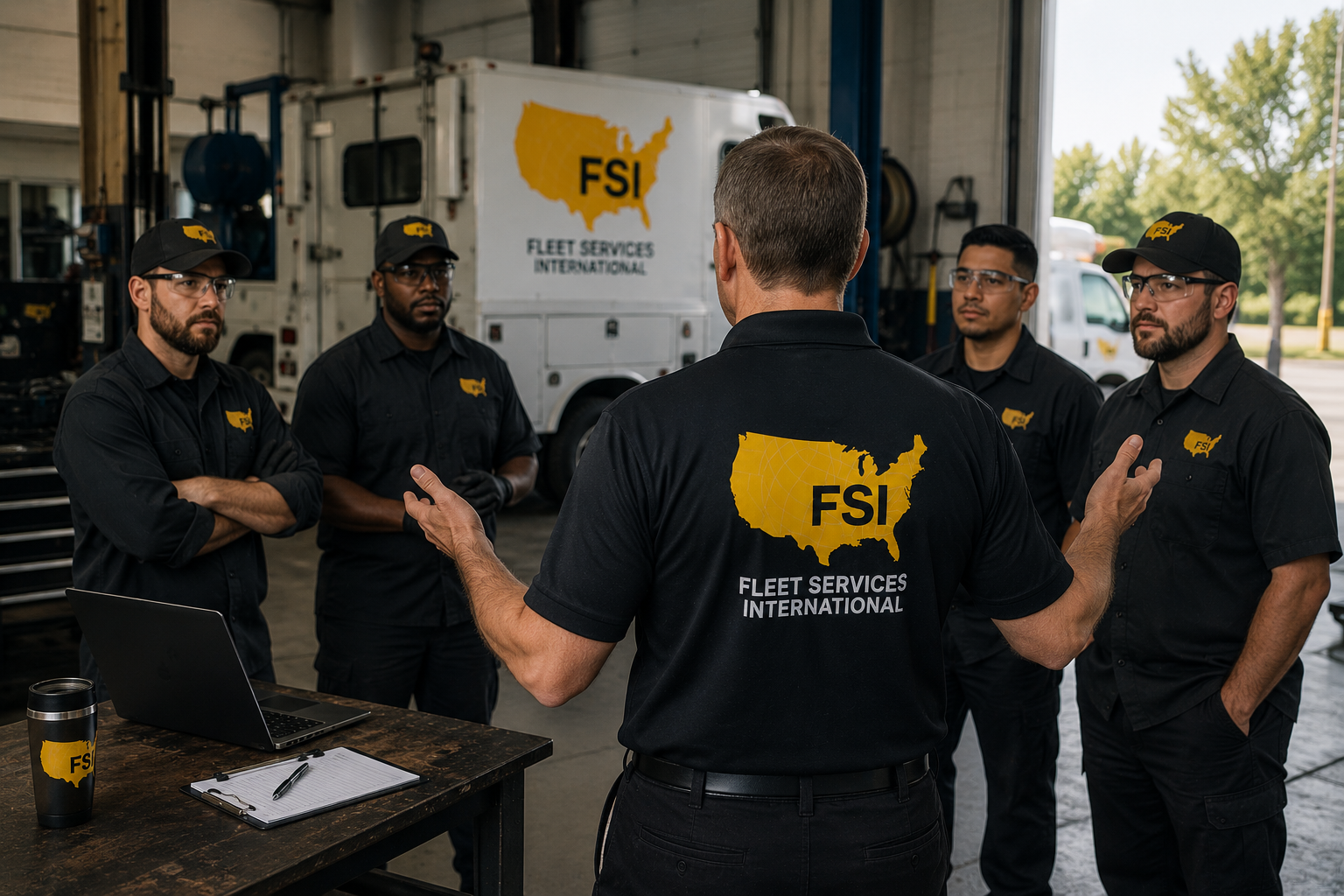
Commercial fleet maintenance fits directly into this category.


Businesses that rely on vehicles can’t afford downtime. Service isn’t optional—it’s part of their operating requirements. That creates a level of demand that doesn’t depend on marketing trends or consumer sentiment.


It also changes how the business grows.


Instead of constantly seeking new customers, the focus shifts to maintaining and expanding relationships within an existing base. Growth becomes more about depth than volume.


Within that environment, structured models like FSI provide a starting point that aligns with how these businesses actually operate.


Rather than building everything independently, operators enter with defined territory, access to vendors, and a support framework designed to support long-term commercial relationships. The emphasis is on positioning, not experimentation.


That doesn’t remove the responsibility of ownership—but it removes unnecessary uncertainty.


This type of model is best suited for individuals who think in terms of systems and relationships, not transactions. People who are comfortable operating behind the scenes, where the real value is created, not just where it’s visible.


It is not for those who are drawn to branding, storefronts, or consumer-driven environments. And it’s not for anyone expecting quick traction without building real business relationships.


Retail isn’t disappearing—but it is becoming harder to operate successfully.


The operators who recognize that early are the ones repositioning into models built on necessity, not attention.


Recent Posts

By Courtnee Boyd May 22, 2026
Why hard work alone rarely creates scalable ownership
By Courtnee Boyd May 22, 2026
The businesses that last are usually solving necessary problems—not chasing trends
By Courtnee Boyd May 15, 2026
Not all structured opportunities are built the same
May 15, 2026
Why freedom without structure usually turns into pressure instead
By Courtnee Boyd May 8, 2026
The businesses that scale fastest usually aren’t starting from zero
By Courtnee Boyd May 8, 2026
Why building everything yourself sounds appealing—until the reality sets in
By Courtnee Boyd April 28, 2026
The decision mistake that creates problems before the business even starts
By Courtnee Boyd April 28, 2026
Why stability isn’t about luck—it’s about structure
By Courtnee Boyd April 28, 2026
Why the real decision isn’t brand vs freedom—it’s structure vs uncertainty
By Courtnee Boyd April 28, 2026
The market most buyers ignore—and why serious operators are paying attention
Show More